
CCTV Camera Singapore: Buy or Get It Monitored?
A camera records. It doesn’t watch. This page walks through what a CCTV camera in Singapore actually does, what it costs, and where professional monitoring closes the gap a camera can’t close on its own.
What Is a CCTV Camera?
A CCTV (closed-circuit television) camera captures video of a specific area and sends it to a recorder or the cloud, where it’s stored for later review. That’s the baseline function. Everything else night vision, motion alerts, remote viewing builds on top of it.
You’ve decided your property needs a camera. Maybe it’s a break-in scare, a parcel theft at your HDB corridor, or a landlord asking why the shop lot next door installed one first. The question that matters isn’t which CCTV camera Singapore brand to buy it’s what happens after the camera is up and running.
CCTV Camera Options in Singapore
Not every property needs the same setup. A landed property with a garden and a side gate has different blind spots than a retail unit with one entrance and a cash counter.
Dome Cameras
Discreet, hard to tell which direction they’re pointing common in retail shops and condo common areas.
Bullet Cameras
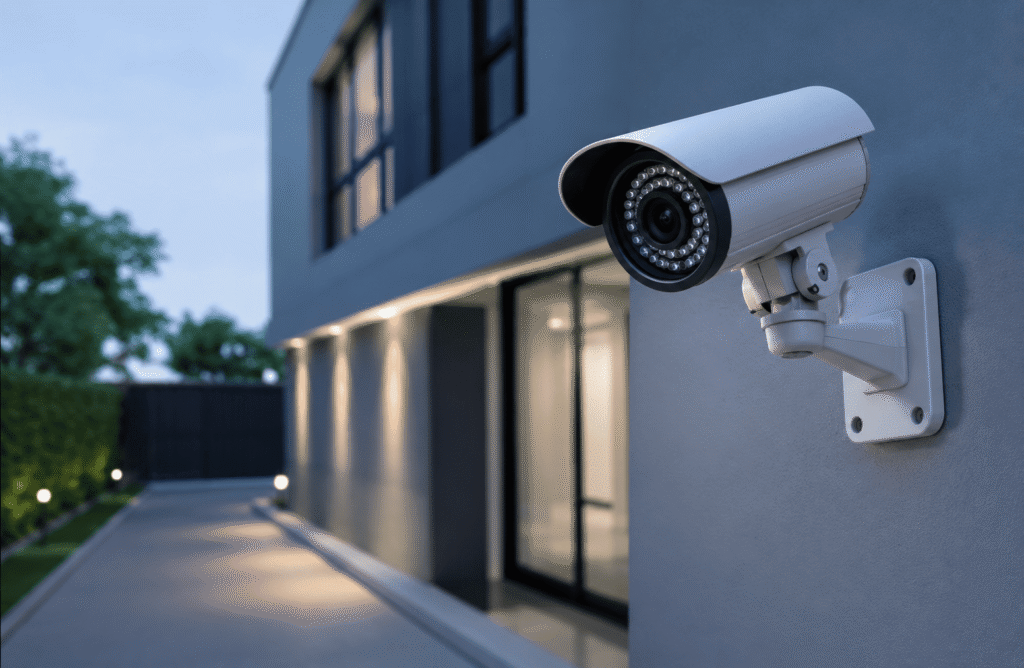
Visible and directional. Good for deterrence at gates, driveways, and loading bays.
PTZ Cameras
Pan-tilt-zoom units cover a wider area from one mount often used in warehouses or car parks.
IP / Network Cameras
Connect over your network rather than a dedicated cable run, making the system easier to scale.
Wireless CCTV Camera Singapore
Battery or Wi-Fi powered units that skip most cabling popular for HDB flats and rental units.
Indoor vs Outdoor
Outdoor units need weather resistance and stronger night vision given Singapore’s rain and humidity.
CCTV Camera Singapore Price
There’s no single number that answers this honestly the price depends on what the system needs to do, not just how many cameras you buy.
Any CCTV camera Singapore price you see quoted online should be treated as a starting point, not a guarantee. A property-specific assessment gives the accurate figure.
Setup
CCTV Camera Installation Singapore
Buying the camera is the easy part. Projects that actually cover a property’s blind spots require planning: a property assessment, deliberate camera placement, coverage planning so fields of view overlap at chokepoints, cabling, network configuration, NVR/DVR and storage setup, testing, and remote access configuration.
A camera mounted at the wrong height, or angled into a streetlight’s glare at night, isn’t providing real coverage even if it’s technically “installed.” Placement matters more than the camera model itself.
Who Should Consider Professional Monitoring?
It tends to make the most sense where someone genuinely can’t watch the feed themselves around the clock.
Retail & Restaurants
A single owner can’t watch a screen while serving customers, or after staff go home at night.
Offices & Warehouses
Sites that sit empty overnight, or large perimeters with valuable stock to cover.
Remotely Managed Properties
Commercial properties run by an owner who isn’t on-site day to day.
After-Hours Coverage
Anyone whose risk window falls outside normal working hours, or who simply can’t watch continuously.
Talk to Us About Your CCTV Setup
Whether you’re weighing a simple camera buy or adding monitoring on top, the answer depends on your property, your hours, and what’s realistically at stake. Request a property assessment or ask whether your existing cameras can be connected to monitoring.
- faq
Frequently Asked Questions
It depends on resolution, number of cameras, storage needs, and whether the system is wired or wireless. There’s no fixed CCTV camera Singapore price get a property-specific assessment rather than relying on a generic online quote.
Installation cost depends on the number of cameras, cabling complexity, and network setup required. A landed property with multiple cable runs costs more in labour than a single wireless camera mounted indoors.
There’s no universal best option. A dome camera suits a retail ceiling, a bullet camera suits a gate or driveway, and a wireless setup suits a rental unit or HDB flat where cabling isn’t practical.
Modern wireless cameras hold up well when placed within strong Wi-Fi range and maintained properly. Battery life and network stability are the two factors most likely to cause issues if overlooked.
Often yes, depending on the camera, network, and recorder already in place. Compatibility needs to be checked property by property before confirming.
A camera alone covers recording and deterrence. Whether that’s enough depends on whether someone is actually reviewing the footage or alerts in a timely way, which is where professional monitoring comes in.
Recording stores footage for later review. Monitoring means someone is actively watching the feed or reviewing alerts close to real time, so a concern can be assessed while it’s still unfolding rather than after the fact.
It depends on the business. Retail shops, restaurants, warehouses, and offices with after-hours exposure tend to benefit most, since nobody on staff is available to watch the feed once the doors are closed.
